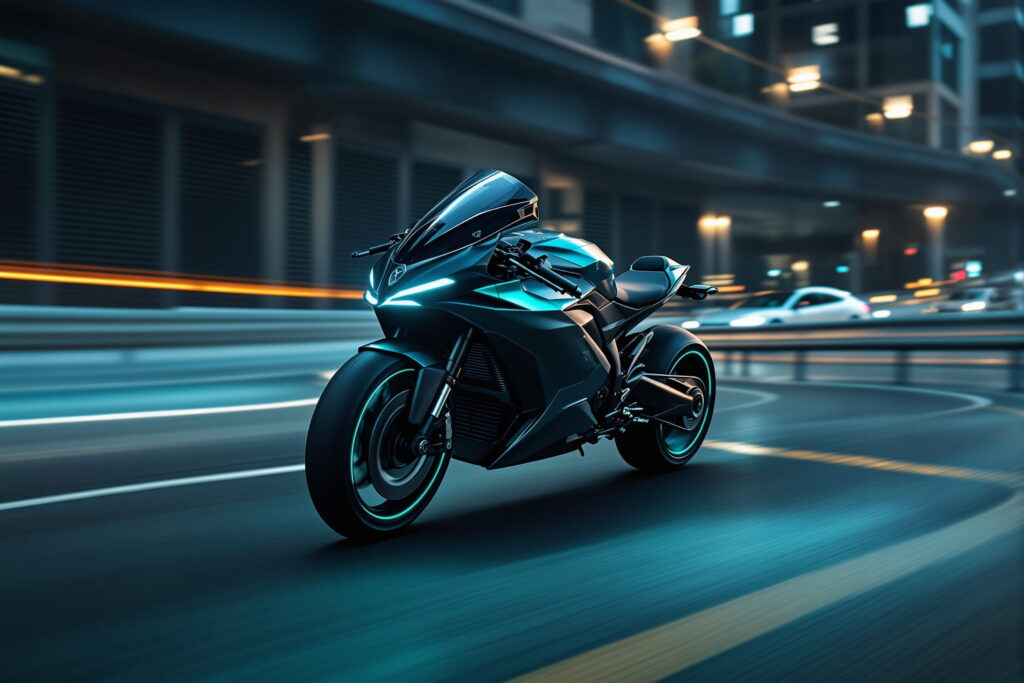
The shift towards a greener future in personal mobility is evident in the rise of battery-powered two-wheel vehicles. These innovations not only enhance sustainability but also offer superior performance compared to their gasoline counterparts. To maximize your experience, consider models that prioritize range and charging time, ensuring you’re equipped for both daily commutes and weekend adventures.
Performance stats reveal that today’s leading electric two-wheelers achieve impressive acceleration and top speeds, rivaling traditional motorcycles. For instance, leading brands are producing models that reach 0 to 60 mph in under three seconds, a feat previously thought unattainable without a combustion engine. Analyze specifications and customer reviews to find the perfect match for your riding style.
Another factor to consider is the reduction in maintenance costs. Without the intricate mechanics of a traditional engine, upkeep becomes less frequent and less expensive. Riders benefit from fewer service appointments and lower long-term ownership expenses. Monitoring advancements in battery technology will guide you toward the most reliable and long-lasting options available.
Cost Analysis of Electric Motorcycles vs. Traditional Bikes
The purchase price of a battery-powered two-wheeler typically ranges from $7,000 to $25,000, while conventional fuel-powered alternatives start around $5,000 and can exceed $20,000. Operational expenses are a significant factor: the cost to charge a battery-powered unit averages about $0.03 per mile, whereas gasoline models can run approximately $0.15 per mile, based on fuel prices. Maintenance costs for electric units are lower, with fewer moving parts and no need for oil changes, making them a cost-effective choice over time.
An analysis of long-term expenses reveals a substantial difference in ownership costs. After five years, the total expenditure for a battery-driven two-wheeler is approximately 20% lower compared to its gasoline counterpart. This is attributed mainly to reduced maintenance and fuel costs. Incentives for environmentally friendly models, such as tax credits, can also significantly decrease initial investing, balancing the financial scales further in favor of electric options.
Considering resale value, battery-powered two-wheelers often retain around 75% of their initial price after three years, while traditional bikes generally hold only about 50% of their worth. This indicates that investing in a battery-driven model can yield a better return in the long run, providing lower ownership costs and higher resale opportunities.
Charging Infrastructure: Meeting the Demand for Electric Motorcycles
To establish a robust network for two-wheel vehicles, cities must prioritize the development of accessible charging stations. Strategic placement in urban areas, including parking lots, shopping centers, and popular destinations, will ensure riders have convenient access to power sources. A minimum of 50 charging points per 1,000 registered two-wheelers can significantly enhance user confidence in these units.
Real-time data on charging station availability is crucial. Utilizing mobile applications that inform users of nearby charging points, including their status, promotes convenience and reduces range anxiety. This will create a seamless experience for those opting for two-wheel alternatives.
Partnerships between local governments and private providers can expedite infrastructure growth. Investment incentives and grants can encourage businesses to install charging stations, creating a mesh of support for two-wheel transport. Furthermore, public-private collaborations can enhance the reach of this network.
Moreover, implementing fast-charging technology can greatly improve the usability of two-wheel vehicles. Stations capable of charging batteries in 30 minutes or less will draw more users and reduce downtime between rides. Rolling out such facilities in densely populated regions should be a priority.
Finally, community engagement is necessary to promote the benefits of two-wheel electrification. Educational campaigns highlighting cost savings and environmental impact will boost acceptance. By fostering a culture around these vehicles, cities can secure a thriving ecosystem for this transportation option.
Performance Metrics: Speed, Range, and Maintenance of Electric Models
For those seeking speed, models like the Zero SR/F can reach 124 mph, providing an exhilarating ride while eliminating traditional fuel costs. Keeping acceleration smooth and responsive, this two-wheel vehicle can go from 0 to 60 in just 3.3 seconds. Such performance specifications attract enthusiasts who value power and pace.
Range remains a critical metric for potential buyers. Many high-performing alternatives can cover approximately 200 miles on a single charge. For instance, the Harley-Davidson LiveWire boasts a range of 146 miles in the city. With advancements in battery technology, vendors enhance not only distance but also charging efficiency, reducing downtime.
- The typical charging time for standard outlets is 8-10 hours.
- Fast charging stations can reduce this to just over an hour.
Battery maintenance directly affects longevity and overall performance. Most lithium-ion units last between 5-15 years, depending on usage and care. Regular monitoring, along with avoiding extreme temperatures, can extend battery life significantly.
Cost of ownership also varies widely. While initial investments may be higher, lower maintenance requirements and reduced operational expenses result in significant savings over time. Oil changes, engine repairs, and other traditional maintenance tasks are eliminated.
- Annual battery checks are recommended to guarantee optimal performance.
- Updating software regularly can enhance efficiency and range.
The revolution in two-wheel vehicles emphasizes sustainability without sacrificing performance. As manufacturers innovate, riders experience greater choices in designs and specifications tailored to diverse riding styles.
In summary, the combination of striking speed, impressive range, and minimal upkeep positions these models as a viable alternative. As technology progresses, the experience will only improve, making these rides essential for future mobility solutions.