For urban commuting with efficiency and convenience, e-bikes stand out as the optimal choice for most riders. They offer a blend of speed, comfort, and a good range for longer distances, making them ideal for daily use. With an average speed of about 20 mph and a range of 30 to 70 miles on a single charge, they provide flexibility for diverse travel needs.
On the other hand, e-scooters are perfect for short trips in crowded areas. Their lightweight design allows for easy maneuverability and can be parked almost anywhere. However, they usually have a reduced range, averaging between 15 to 25 miles, and a lower speed limit, typically around 15 mph. This makes them suitable for quick errands and short commutes.
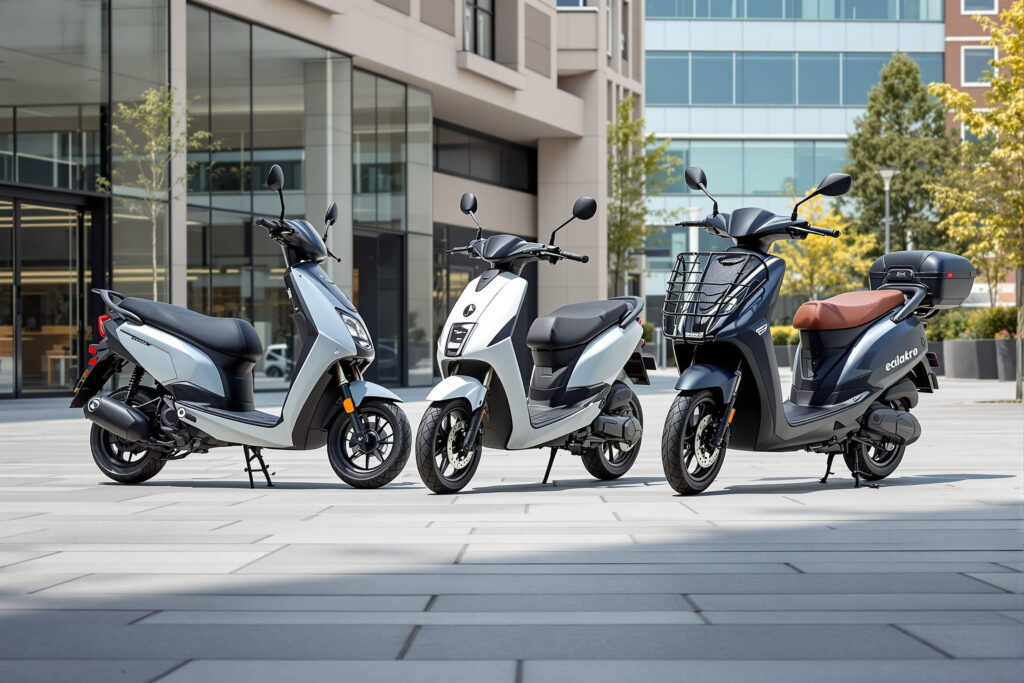
If you’re looking for something that balances both speed and a bit more capacity, electric mopeds are worthy contenders. They can reach speeds of 28 mph and have a range of about 20 to 40 miles, making them a solid middle ground. Though they are heavier and often require registration, they can accommodate passengers and handle various terrains better than scooters.
Ultimately, your decision should hinge on daily commuting distance, personal preferences for speed and comfort, and how you plan to use the vehicle. Evaluate your needs, and consider test riding each type to find the perfect fit for your micromobility experience.
E-Scooter E-Moped E-Bike: Which One to Choose?
For short commutes in urban areas, an electric scooter excels with its lightweight design and portability. Ideal for quick trips, these models are often foldable, making them simple to store and transport. Most e-scooters can reach speeds of 15-20 mph, striking a balance between speed and safety. Battery life generally supports a range of 15-25 miles, depending on the model and conditions.
In contrast, e-mopeds provide a more robust experience suitable for both longer distances and varying terrains. With larger wheels and enhanced power, these vehicles can handle hills and rough surfaces better. Speeds can reach 30-40 mph, presenting options for those who seek more excitement. They typically come licensed like traditional mopeds, allowing for the use of bike lanes and roads.
- E-scooter: Best for short city rides.
- E-moped: Ideal for mixed environments and greater range.
Electric bicycles are versatile and offer a hybrid option between scooters and mopeds. Equipped with pedals, riders can enjoy the physical activity or rely fully on electric power. Their range can vary significantly, from 20 to 100+ miles, depending on battery size and terrain. Ideal for commuting that includes both street and bike path usage, e-bikes provide more flexible transportation.
- Analyze distance and travel conditions.
- Evaluate speed and comfort preferences.
- Consider storage and portability needs.
The choice among these options hinges on personal preferences and specific needs. Assessing your daily routes, distance requirements, and how much assistance you desire while riding will guide you to the right fit in the growing micromobility market.
Cost Analysis: E-Scooter vs E-Moped vs E-Bike
A budget-friendly option often lies with e-scooters, which generally have a lower initial price. On average, a decent model costs between $300 and $700. Maintenance costs are relatively low, with minimal parts needing replacements and fewer mechanical issues arising compared to other alternatives.
In contrast, e-mopeds come with a higher price tag, typically ranging from $1,000 to $3,000. This includes added features such as larger batteries and greater power, which contribute to the cost. Despite this, many users find value in the increased range and speed they offer.
E-bikes fall somewhere in the middle price range, with many models priced between $500 and $2,500. Their versatility and range options cater to a broader audience, making them a popular choice for commuters and recreational users alike.
When assessing operating costs, e-scooters shine due to their simplicity. Charging an e-scooter might cost around $0.20 per full charge. In comparison, e-mopeds, with more powerful batteries, can double that charging expense.
E-bikes can vary significantly in operating costs, influenced by battery efficiency and usage patterns. Riders may expect expenses around $0.10 to $0.30 per charge depending on the model and battery size.
Factors like insurance and registration also affect overall costs. While e-scooters usually require no insurance, e-mopeds and e-bikes may necessitate these expenses, further impacting the choice depending on a user’s budget and usage plans.