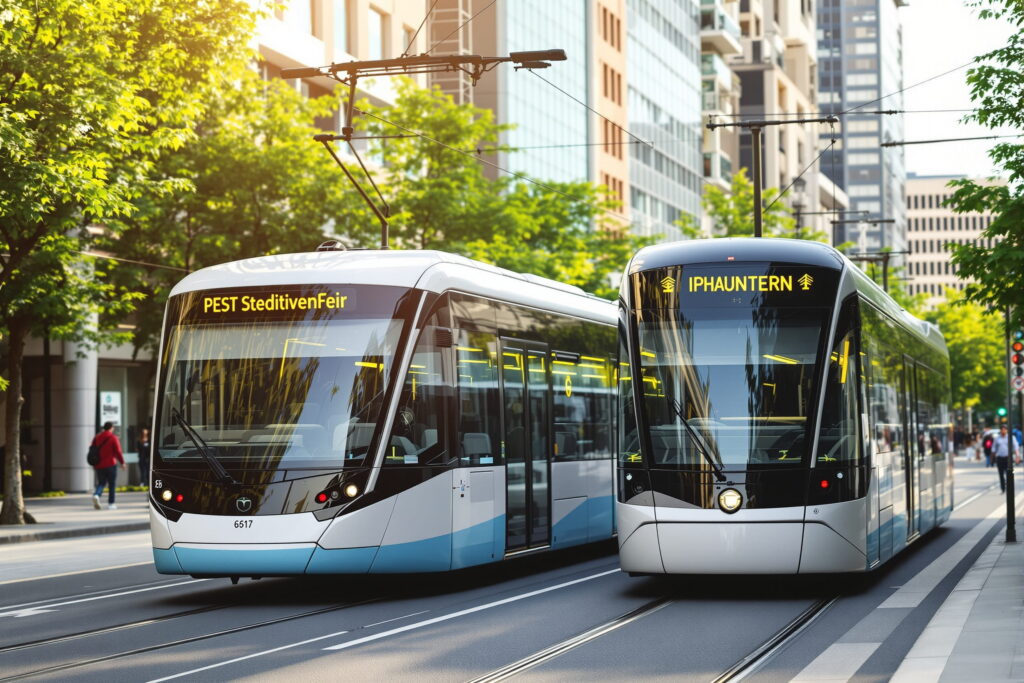
Transitioning to greener modes of moving through cities is no longer a vision but a pressing requirement. Investing in robust networks that prioritize low-emission vehicles is crucial for enhancing commute experiences while significantly reducing carbon footprints.
By incorporating advanced technologies such as autonomous systems and integrated applications, municipalities can optimize route efficiency and improve connectivity. Collaboration with the private sector to establish seamless payment solutions and real-time information sharing is vital for user satisfaction and participation.
Encouraging the integration of diverse mobility options, such as bikes and shared scooters, can supplement larger vehicles and cater to varying commuting preferences. Dedicating resources towards infrastructure improvements, like dedicated lanes and charging stations, will support this multi-faceted approach, fostering an ecosystem that prioritizes sustainable mobility.
Moreover, engaging communities in the planning phases through feedback and awareness initiatives will build public trust and encourage utilization. A focus on developing cleaner systems can yield tangible benefits not only for the environment but also for citizens’ quality of life, creating a modern, accessible framework for all residents.
Integrating Electric Buses into Existing Urban Infrastructure
Implement charging stations at strategic locations throughout the city. These should include key hubs such as public squares, shopping centers, and transportation interchange points, ensuring that accessibility is maximized.
Collaborate with local government agencies to assess current transit routes and identify potential modifications. Analyze data on ridership patterns to determine where electric vehicles would provide the most significant benefits and potential for efficiency.
- Conduct regular workshops with stakeholders to discuss integration strategies.
- Implement smart technology for real-time tracking and fleet management.
- Encourage community feedback to refine and adapt services to meet evolving needs.
Consider retrofitting existing bus depots to incorporate charging infrastructure. This can significantly reduce costs associated with new construction while optimizing the use of current facilities.
Invest in driver training programs focused on the unique aspects of operating electric vehicles. This will enhance safety, operational performance, and overall service quality.
Assess the surrounding environment for any necessary infrastructure updates, such as improved road surfaces, dedicated lanes, or enhanced signage. A well-integrated system encourages higher usage rates and supports smoother operations.
Innovative Payment Solutions for Seamless Electric Transport Access
Implement contactless payment options, allowing users to board systems with minimal delay. Tap-and-go cards or mobile wallets can streamline access, reducing congestion during peak hours.
Integrate biometric authentication to enhance user experience. Facial recognition or fingerprint scanning could facilitate quick entry, making transactions seamless and eliminating the need for physical cards.
Consider implementing dynamic pricing models based on demand patterns. This can incentivize travelers to use services during off-peak times, easing overcrowding on popular routes while optimizing revenue for operators.
Collaborate with local businesses to establish a loyalty program linked to payments. Users who shop at partnered stores could receive discounts on fares, creating a mutually beneficial ecosystem that encourages usage of transportation methods.
Utilize blockchain technology for secure and transparent transactions. This approach can build trust among passengers and operators, ensuring that payment processes are efficient and fraud-resistant.
Promote multi-modal payment systems that allow for integration across various services. A unified app could facilitate access to buses, trams, and bike-sharing, making the transition between options hassle-free for commuters.
Ensure interoperability with existing payment infrastructures in cities. Users should be able to travel without needing multiple apps, making the switch to convenient mobility options simpler and more attractive.
Impact of Autonomous Electric Vehicles on Urban Mobility
To enhance movement and reduce congestion, cities should integrate autonomous vehicles into their transportation ecosystems. This integration must occur alongside existing frameworks to optimize pathways.
Studies indicate that introducing self-driving units can decrease traffic by up to 30%. By utilizing this technology, municipalities can alleviate road bottlenecks and improve journey times.
Incorporating smart algorithms for routing is vital. These vehicles can learn real-time conditions, adjusting paths to minimize delays. The result is a more robust system that adapts to changing environments swiftly.
Legislation is necessary to manage the deployment of autonomous vehicles. Clear guidelines will ensure safety while facilitating innovation. City planners must collaborate with technology developers to create a balanced structure.
Financial incentives for ride-sharing can encourage community adoption of automated vehicles. Programs promoting carpooling can optimize occupancy rates and reduce the number of vehicles required on roads.
Maintenance infrastructure must evolve. Establishing dedicated hubs for servicing these units will enhance reliability. This adaptation ensures vehicles remain in optimal condition, further improving mobility services.
Public awareness and acceptance are critical. Cities should engage with residents to address concerns and highlight the benefits. Initiatives that include demonstrations can help demystify technology, fostering community support.
Strategically located docking stations for shared vehicles will play a key role in accessibility. These points can seamlessly connect citizens to broader networks, facilitating effortless transitions between different modes of travel.