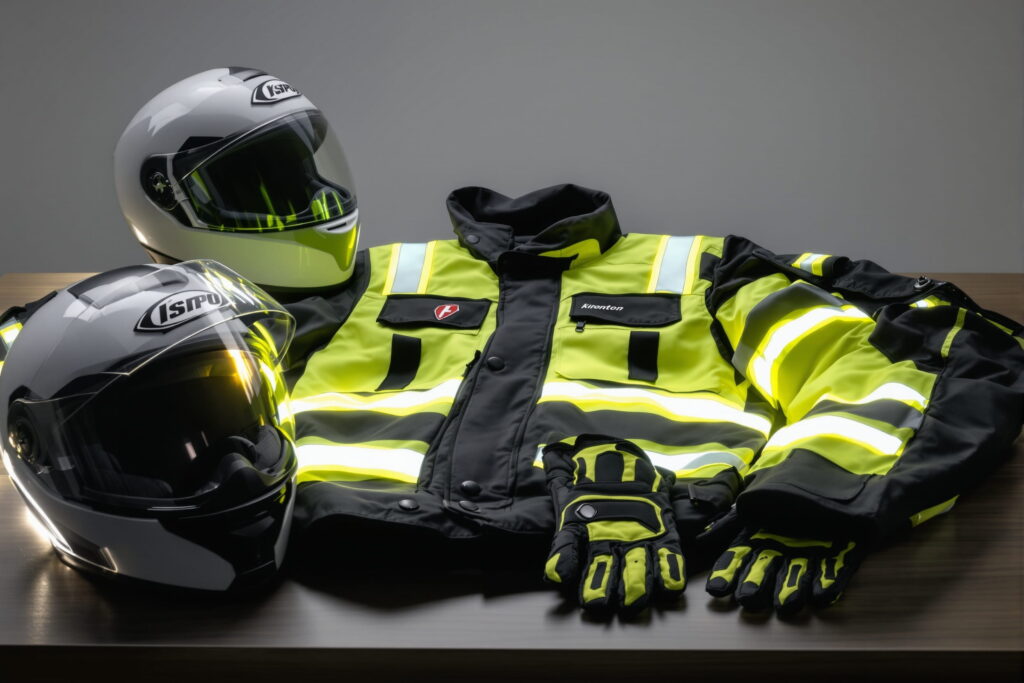
Investing in a quality helmet is non-negotiable; it’s your primary line of defense against head injuries. Choose a model that meets recognized standards, ensuring a secure fit to maximize protection during rides. Look for features like a face shield or visor to enhance visibility and shield against wind and debris.
Protective clothing, such as jackets and pants made from abrasion-resistant materials, are critical. These garments should include padding at elbows, shoulders, and knees to absorb shocks from falls. Additionally, consider options with reflective elements to increase visibility in low-light conditions.
Sturdy footwear is equally vital. Opt for boots that provide ankle support and have a non-slip sole for stable footing on your ride. Select designs that offer protection without compromising comfort, as you’ll likely be on the road for extended periods.
Don’t underestimate the importance of gloves. Invest in padded, weather-resistant options that improve grip and shield your hands from potential injuries. In addition to comfort, they enhance your control over the handlebars in various weather conditions.
Finally, always carry a first-aid kit tailored to minor injuries and road incidents. This preparedness can make a significant difference in emergencies, allowing you to respond effectively until professional help arrives.
Choosing the Right Helmet for Maximum Protection
Select a helmet that meets the Department of Transportation (DOT) standards to ensure reliable impact resistance. Look for a model featuring a sturdy outer shell made of polycarbonate or fiberglass, which effectively dissipates energy during collisions. The inner foam lining should be made from expanded polystyrene (EPS), providing additional cushioning in the event of an impact.
Opt for a full-face design for maximum coverage, as it shields the chin and jaw while enhancing aerodynamics. Additionally, consider a helmet with a built-in visor to protect your eyes from debris and sun glare. A snug fit is essential; measure your head circumference and consult the manufacturer’s size chart. A well-fitted helmet won’t shift during a ride, which could compromise protection.
- Check for extra features, such as ventilation systems for airflow.
- Look for removable inner linings, making cleaning easier.
- Assess the weight; lighter helmets improve comfort.
- Choose a color or design that enhances visibility on the road.
Understanding Protective Clothing for Various Weather Conditions
Avoid cotton fabrics in rainy weather; they absorb moisture and become heavy, reducing mobility. Instead, opt for waterproof materials that provide breathability to prevent overheating while shielding against rain. Look for jackets and pants with sealed seams and ventilation zippers that allow you to regulate temperature as needed.
In cold conditions, layering is key. Start with a thermal base layer that retains heat, adding an insulating mid-layer such as fleece or down. The outer layer should be windproof and waterproof. Ensure your gloves and footwear are also insulated, as extremities lose heat quickly; choose items designed for biking that offer grip and dexterity.
Hot weather demands specialized attire made from lightweight, moisture-wicking fabrics. This type of clothing enhances airflow and helps keep the body cool. Consider long-sleeve options with UV protection to shield skin from sun exposure, while still allowing flexibility for movement. A full-face helmet with adequate ventilation further assists in staying comfortable during rides.
Adjust your clothing choices based on weather forecasts. If storms are anticipated, be prepared with a packable rain suit that fits over other layers without hindering movement. Always prioritize options offering high visibility, especially in low-light conditions, as clear visibility greatly enhances awareness and decreases risk during commutes.
Essential Accessories to Enhance Visibility and Safety on the Road
Reflective vests are a must-have for anyone riding on two wheels. Wearing a bright vest that features reflective strips significantly improves visibility, especially in low-light conditions. Available in various sizes and styles, these vests can easily be worn over regular clothing and can be stored conveniently when not in use.
Bright front and rear lights should never be overlooked. High-quality LED lights not only illuminate the path ahead but also make you more noticeable to other road users. It’s advisable to choose lights with multiple modes, including steady and flashing settings, to adapt to different environments or time of day.
| Accessory | Functionality |
|---|---|
| Reflective Vest | Improves visibility in low light |
| LED Front Light | Illuminates the path ahead |
| LED Rear Light | Alerts others to your presence |
| Mirrors | Enhances awareness of surroundings |
| Fenders | Prevents water and debris spray |
Another beneficial addition includes mirrors. Installing mirrors on both sides allows for better awareness of your surroundings and assists in safer lane changes. Additionally, fenders can help protect from water and debris while riding, keeping visibility clear and ensuring comfort throughout your trip.