For anyone considering alternatives to traditional fuel systems, exploring the advancements made by two prominent companies in the realm of energy solutions is crucial. Specifically, the strategies employed by NIU and Gogoro offer a glimpse into the future of efficient transportation. These firms are redefining convenience through their innovative frameworks that facilitate rapid energy replenishment in urban environments.
The integration of accessible infrastructure is a key focus for both entities. NIU provides a user-friendly app that allows riders to locate nearby stations, while Gogoro has established a robust network of swapping hubs, promoting seamless exchanges. This accessibility not only enhances the experience for users but also accelerates the overall adoption of electric vehicles.
It’s imperative to recognize the impact of these innovations on urban planning and environmental sustainability. As metropolitan areas strive for cleaner transportation solutions, the initiatives set forth by NIU and Gogoro pave the way for a more sustainable future. By investing in integrated energy systems, cities can significantly reduce their carbon footprint while simultaneously improving the quality of life for residents.
How NIU’s Battery Swapping Technology Enhances Urban Mobility
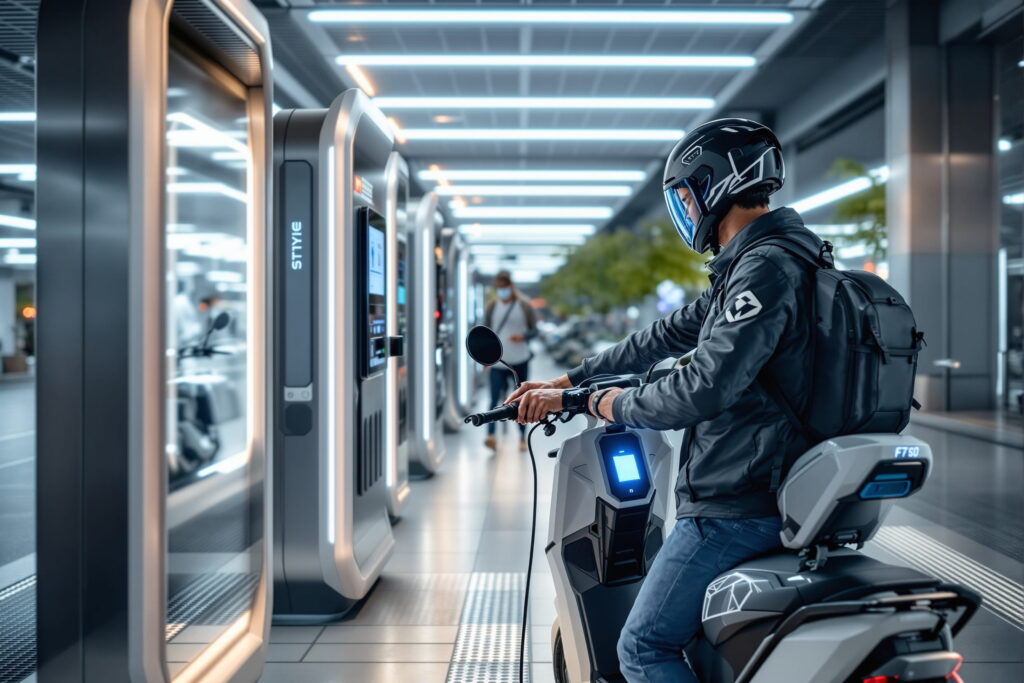
Implementing rapid exchange systems addresses one of the main obstacles for users in metropolitan settings–charging time. Riders utilizing NIU’s platform can switch depleted units for fully charged alternatives at strategically located stations, significantly reducing downtime. This model not only streamlines the travel experience, but also encourages longer trips and frequent use of electric scooters.
Adopting this model enhances sustainability by decreasing reliance on conventional fuel sources. Users benefit from a seamless integration of mobility solutions, including:
- Convenience of quick exchanges
- Reduction in range anxiety
- Enhanced urban infrastructure
As urban centers grow and demand for alternative transport increases, such systems will become increasingly vital in optimizing transit options and supporting eco-friendly initiatives.
Gogoro’s Approach to Sustainable Energy Solutions in Two-Wheelers
The exchange system for energy sources in two-wheelers is a transformative solution that significantly cuts down emissions. With their extensive network, the company allows riders to access fully charged units in under a minute, addressing range anxiety effectively.
By focusing on urban environments, the firm targets areas with high pollution levels. Their electric bikes are designed not only for sustainability but also for performance, providing a reliable alternative to traditional fuels.
The circular economy model is central to their strategy. Each energy unit is crafted to last longer, and infrastructure investments emphasize recyclability, reducing waste and promoting environmental responsibility.
As markets expand, they remain committed to innovation. Collaborations with local governments and businesses enhance accessibility, proving that eco-friendly transportation can be both practical and appealing to consumers looking for modern mobility solutions.
Comparative Analysis of NIU and Gogoro’s Battery Swapping Networks
Choose Gogoro for superior accessibility, boasting over 12,000 exchange stations compared to NIU’s 1,500. This significant difference enhances user convenience, especially in urban centers where rapid energy replenishment is crucial.
Evaluate network density; Gogoro’s infrastructure is strategically placed in high-traffic areas, allowing riders to quickly locate kiosks. In contrast, NIU’s locations are more dispersed, which may lead to longer search times for users in specific environments.
| Metric | Gogoro | NIU |
|---|---|---|
| Number of Stations | 12,000+ | 1,500+ |
| Average Wait Time | 1-3 minutes | 2-5 minutes |
| Geographical Coverage | Urban-centric | Suburb-inclusive |
Operationally, Gogoro presents a streamlined experience with mobile app integration, which directs users to the nearest station and provides real-time updates. This feature considerably enhances convenience over NIU’s existing app, which offers fewer functionalities.
Price points reveal that Gogoro provides a competitive subscription model for users, often resulting in lower monthly costs versus the pay-per-swap approach utilized by NIU. This strategic pricing can attract budget-conscious riders seeking long-term solutions.
Examine environmental impact; engagement in sustainability is a core element for both brands, yet Gogoro’s commitment to recycling spent units sets a higher standard. The initiative aligns with current trends towards ecological responsibility, appealing to environmentally-minded consumers.
In conclusion, while both brands are advancing in the electric vehicle market, Gogoro’s extensive network, user-centric options, advantageous pricing arrangements, and robust environmental initiatives position it as a frontrunner in this domain.