
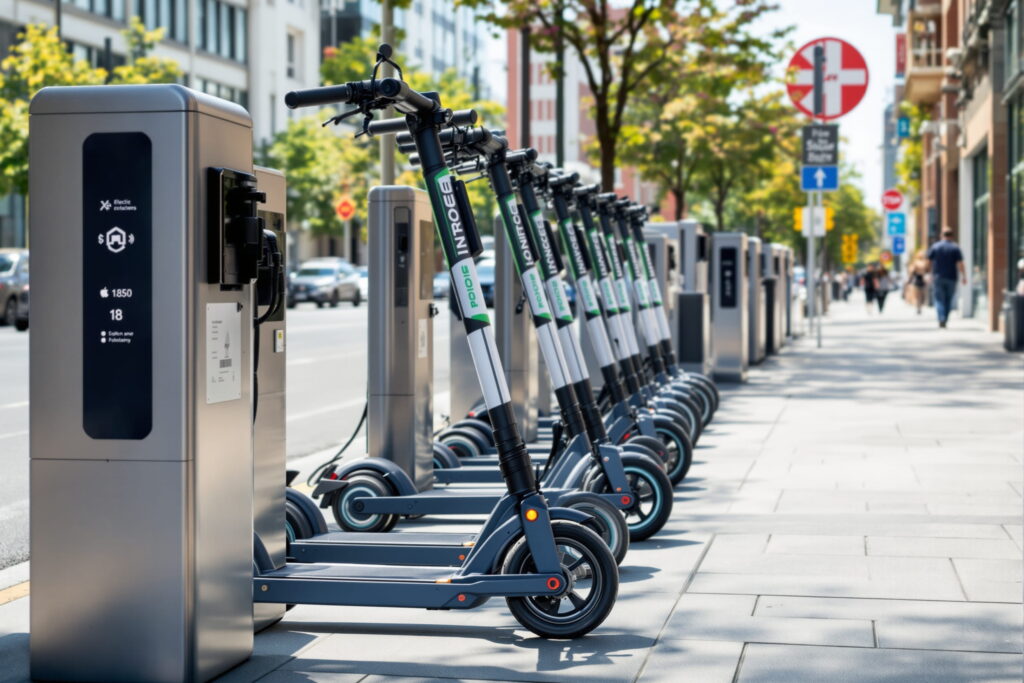
To assess the environmental footprint of e-scooter rental initiatives, a thorough analysis reveals that while they offer an alternative to traditional transportation, their sustainability credentials are complex. Recent studies indicate that the average emissions savings from e-scooter usage, compared to cars, is approximately 30-50%. However, this statistic only scratches the surface of a larger conversation regarding lifecycle impacts.
Critical factors include battery production and disposal, which contribute significantly to overall environmental harm. Research shows that lithium-ion batteries can have a carbon footprint equivalent to a small car over their lifespan. Implementing robust recycling programs alongside operational practices can mitigate some of these adverse effects. Cities investing in comprehensive waste management systems for e-scooter components tend to show improved sustainability outcomes.
Furthermore, the design and distribution logistics of these vehicles play a pivotal role in their ecological impact. Cities should prioritize local manufacturing and regional supply chains to reduce transportation emissions. Moreover, encouraging multi-modal transport options, including the integration with buses and trains, can enhance the logistical efficiency of e-scooters, ultimately making them a more viable green alternative.
E-Scooter Sharing Programs: Are They Truly Sustainable?
To evaluate the ecological footprint of these services, consider integrating renewable energy sources for charging stations and ensuring that vehicles are built with recyclable materials. This practice enhances environmental stewardship and reduces dependency on fossil fuels. Implementing smart fleet management systems to monitor usage patterns can also decrease battery waste and optimize vehicle deployment, contributing to a cleaner urban experience.
- Promote comprehensive recycling initiatives for dismantled units.
- Encourage partnerships with local governments to align strategies for urban mobility.
- Adopt educational campaigns focusing on responsible usage among riders.
- Monitor and assess carbon emissions linked to the lifecycle of vehicles.
Balancing accessibility with climate consciousness is key to fostering a greener alternative for urban transport. Strengthening user engagement through feedback platforms allows for continuous improvement and aligning community needs with infrastructure growth.
Evaluating the Environmental Impact of E-Scooter Programs
Reducing reliance on fossil fuels can significantly enhance ecological stability. Electric scooters can replace short car trips, leading to lower carbon emissions and decreased congestion in urban areas. A study estimated that replacing a single-mile car trip with an electric scooter could cut emissions by up to 80% when factoring in the lifecycle of both transportation modes.
Battery production is a crucial aspect to consider. Lithium-ion batteries, commonly used in these vehicles, contribute to pollution during mining and manufacturing. Investing in recycling initiatives and utilizing sustainable materials can mitigate this impact and promote long-term environmental benefits.
While many urban centers report increased micro-mobility use, data reveal fluctuations in usage patterns. To maximize sustainability, cities should implement strategies for redistribution and maintenance, ensuring scooters are available where demand is highest, reducing unnecessary trips for retrieval.
Collaboration between governments, manufacturers, and local communities is essential for advancing ecological goals. Establishing clear regulations regarding fleet size and operation areas will help minimize the negative impact on pedestrians and cyclists, fostering a safer coexistence in urban environments.