
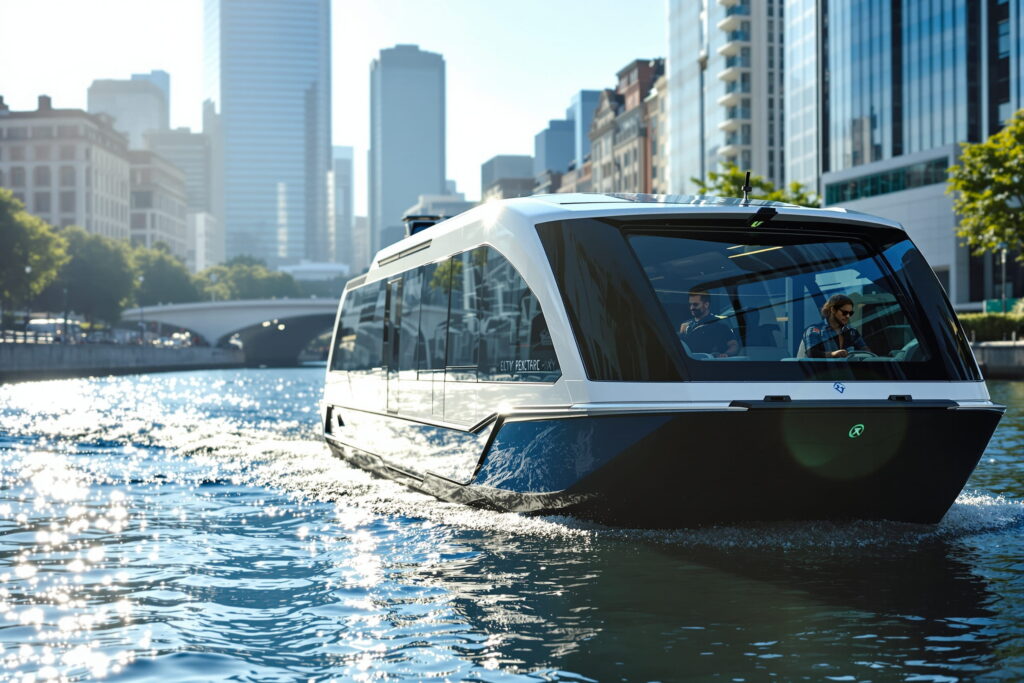
For seamless urban commuting, consider integrating electric-powered maritime vehicles into your travel routine. These vessels offer sustainable alternatives to traditional road transport, significantly reducing emissions while maintaining a high level of convenience.
Utilizing these advanced crafts for daily excursions enables quicker access to various city sectors. Their ability to navigate waterways not only alleviates traffic congestion but also provides a refreshing mode of travel. Frequent routes make them an ideal choice for both locals and tourists.
Exploring this mode of transit can lead to enhanced connectivity, decreasing the time spent in transit. Additionally, the ease of booking through user-friendly applications simplifies the process, making it accessible for everyone. The combination of eco-friendliness and practicality positions these innovative crafts as a significant element of urban mobility strategies.
Cost-Benefit Analysis of Electric Ferries for Urban Commutes
The implementation of eco-friendly vessels in urban settings can lead to significant cost savings. According to recent studies, operational expenses for these crafts can decrease by up to 70% compared to traditional options due to lower fuel costs and reduced maintenance. This shift not only eases financial burdens on city budgets but also offers affordable commuting solutions for residents.
Economic impacts extend beyond direct costs. Investing in clean transport alternatives can stimulate local employment in manufacturing, maintenance, and operations. The transition to electric vessels creates opportunities for job training programs, fostering career development in a sector poised for growth. A community-focused approach ensures that benefits are widely shared, promoting public support and engagement.
- Lower greenhouse gas emissions, contributing to cleaner air.
- Reduced noise pollution, enhancing quality of life in waterfront areas.
- Potential for integration with renewable energy sources, further lowering operational costs.
However, initial capital investments can be substantial. Cities contemplating this transition should conduct thorough feasibility studies, considering factors such as demand, expected ridership, and existing infrastructure. Collaborations with private sectors could alleviate financial pressures while ensuring successful project execution. This detailed analysis will guide municipalities toward sustainable commuter solutions, balancing short-term expenses with long-term environmental and economic benefits.
Charging Infrastructure Requirements for Water Taxi Operations
For optimal performance, ensure fast charging stations are strategically located at docking areas, allowing seamless turnaround for vessels. Ideally, a combination of opportunity charging and overnight charging should be implemented, with power output ranging from 150 kW to 350 kW for rapid fueling cycles. Accessibility to transformers and sufficient grid capacity is necessary to accommodate these power levels.
Integrating smart grid technology can significantly enhance the charging network’s reliability and efficiency. Implement real-time monitoring systems to manage energy consumption effectively and reduce costs. Additionally, establishing partnerships with local authorities can facilitate the development of necessary infrastructure, ensuring compliance with regulations while meeting the demands of growing urban aquatic services.
Regulatory Challenges and Opportunities for Electric Marine Vehicles
Implementing standardized emission regulations is a primary step for authorities to create a conducive environment for cleaner aquatic vessels. This ensures uniformity while enabling innovation in design and operation. A collaborative approach with manufacturers can streamline compliance and support the transition towards greener alternatives.
Local jurisdictions may struggle with infrastructure readiness for charging systems. It is advisable for planners to assess locations with high passenger traffic to determine optimal deployment of charging stations. Creating public-private partnerships can alleviate initial investment burdens while promoting wider access.
Safety regulations specific to battery technology remain a critical focus. Establishing clear guidelines on battery handling, storage, and recycling will help mitigate potential hazards. These standards can encourage innovation and build confidence among operators and the public.
Incentives for eco-friendly vessels, such as tax breaks or subsidies, can enhance adoption rates among operators. Stakeholders should advocate for these financial benefits to stimulate investment in cleaner technologies. Emphasizing the economic advantages of reduced fuel costs can attract interest in sustainable marine options.
Ensuring transparency and involvement encourages community acceptance and support for aquatic innovations. Engaging with local communities regarding operational changes can foster goodwill and address concerns proactively. Establishing feedback mechanisms will ensure ongoing dialogue and can inform future regulatory adjustments.