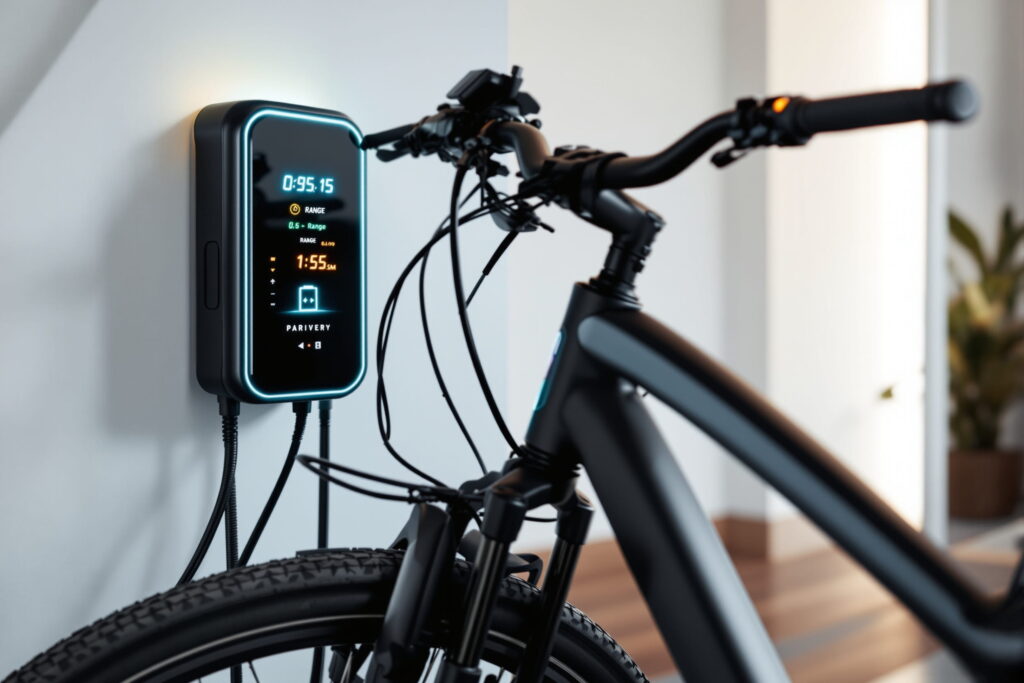
To maximize the use of your electric two-wheeler, consider investing in a dedicated home charging station. This setup allows for faster replenishment compared to standard outlets, ensuring your vehicle is ready for daily commutes. Look for a model that supports your two-wheeler’s battery specifications, as compatibility enhances efficiency.
Public infrastructure for recharging is expanding rapidly. Prioritize locations with fast refueling options during your travel planning. Utilizing apps that display nearby charging points can save you valuable time and ensure you remain on schedule. Some networks even offer membership benefits that reduce costs per session.
Understanding the type of battery in your electric vehicle is paramount. Lithium-ion is prevalent for its longevity and performance. Knowing the proper care and maintenance can significantly extend its lifespan and improve overall functionality. Regularly check for updates on software for smart batteries, as manufacturers often release optimizations to enhance performance.
Don’t overlook the advantages of regenerative braking systems in your two-wheeler. This technology recovers energy during deceleration, which can contribute to overall battery life. Adopting a riding style that incorporates smoother stops can further maximize this benefit while minimizing wear on your brakes.
Lastly, keep track of your charging habits and their impact on battery health. Frequent shallow discharges–charging from low to medium levels–can lead to faster degradation. Instead, aim for deeper cycles, allowing the battery to drain fully before recharging, but avoid letting it reach zero often. This balanced approach helps in maintaining the battery’s integrity over time.
Key Types of Charging Stations for Electric Two-Wheelers
Home Stations: Individual setups are ideal for daily use. Installing a wall-mounted unit allows quick access, ensuring that your vehicle is ready for the day without significant downtime. Look for models that offer compatibility with various battery types.
Public Charging Points: These infrastructures are increasingly being placed in urban centers. Such locations cater to commuters and tourists, providing a convenient option during short stops. Availability of fast-charging options can greatly reduce the time needed to refuel, making them a favorite among users on the go.
Workplace Units: Having charging facilities at offices can enhance the commuting experience. Companies investing in this infrastructure show commitment to sustainability while also supporting employees who opt for eco-friendly transport. Incentives such as reduced parking fees for users can further encourage adoption.
Rapid Charging Stations: High-power stations are designed for quick turnovers. These units are mainly found along highways and major routes, ensuring that longer journeys can be completed without lengthy interruptions. Users should verify the charging speed compatibility with their vehicle model before relying on such systems.
Community Charging Networks: Local partnerships can facilitate the establishment of shared facilities. Such initiatives promote accessibility within neighborhoods, enhancing the convenience for residents. Collaborative efforts can lead to reduced installation costs and promote higher adoption rates among the community.
How to Choose the Right Charging Solution for Your e-Scooter or e-Motorcycle
Assess the power requirements of your two-wheeler. Check the battery capacity and voltage to determine the ideal charging station. Most models support standard voltages ranging from 110V to 240V. Aligning your needs with the infrastructure available in your area will ensure quicker replenishment of your ride’s energy supply.
Consider the location of the charging points. Accessibility is key; if you reside in an urban area, verify the proximity of public charging units. Look for dedicated slots that accommodate your model and prioritize options with fast-paced replenishment capabilities, which significantly reduce downtime.
Evaluate the compatibility with your vehicle’s technical specifications. Using a charger that matches your e-scooter’s or e-motorcycle’s requirements is essential for longevity and performance. Adapters may also be necessary if you travel between regions with differing outlet standards.
Factor in additional amenities. Some locations offer convenient features such as integrated payment systems, notification alerts for available stations, or even safety features that protect against overcharging. These conveniences enhance the ownership experience and provide greater ease of use while on the road.