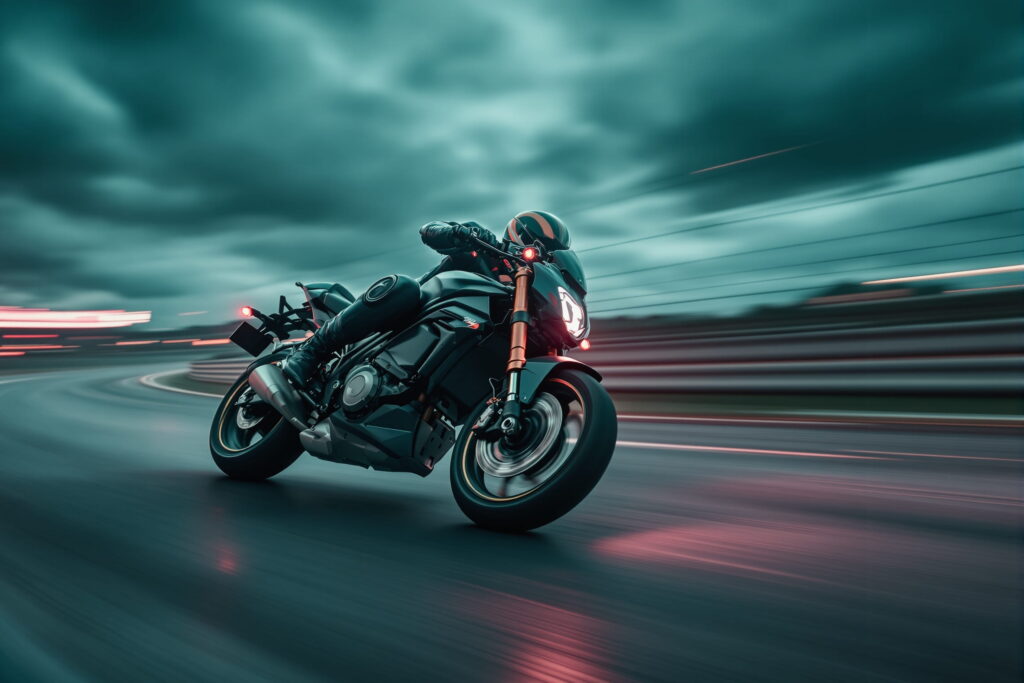
For enthusiasts eager to elevate their experience on the circuit, switching to two-wheeled electric alternatives can offer unmatched performance. The absence of a traditional combustion engine results in instant torque delivery, providing thrilling acceleration that captivates riders and spectators alike.
Data shows that electric variations are gaining significant traction at racing events, with many riders reporting reduced lap times and improved cornering capabilities compared to their gas-powered counterparts. Additionally, the quiet operation of these vehicles adds a unique element to race days, allowing for uninterrupted focus on the competitive atmosphere.
Investing in an electric two-wheeled machine not only supports the movement towards sustainability, but also promises lower maintenance costs and innovative technology. With the rapid advancement in battery technology, many of these models can now deliver impressive ranges, ensuring that riders can enjoy multiple sessions without interruption.
The Advantages of Electric Motorcycles on the Track
Silent operation is a significant perk of racing with two-wheeled machines that utilize batteries as their power source. This allows riders to experience the thrills of high speeds without disturbing the tranquility of nearby surroundings. Tracks can host sessions where noise restrictions are in place, enabling enthusiasts to participate without the usual sound concerns.
Acceleration is another standout feature. Machines equipped with electric powertrains achieve instantaneous torque, propelling them rapidly off the line. Riders benefit from an exhilarating take-off, making it easier to navigate tight turns and gain positions early on in a race. Competitors will find it hard to match the outright launch speed this technology offers.
Weight distribution is expertly managed in battery-powered variants, often leading to superior handling. Lower center of gravity results in increased stability, allowing for more agile reactions when cornering. This characteristic can yield a significant edge for those looking to shave seconds off their lap times.
Maintenance becomes less daunting. With fewer moving components than their gasoline counterparts, the instances of mechanical failures diminish. Regular upkeep requires less frequent attention, giving racers more time for practice and tuning their skills.
Lastly, sustainability is a driving force behind the shift towards electric options. Using clean energy not only aligns with environmental goals but also attracts a new demographic to motorsport. As the community grows, these eco-friendly models pave the way for more inclusive racing events, enriching the sport’s future.
Choosing the Right Electric Motorcycle for Track Performance
Focus on lightweight and high-torque models for optimal performance on the circuit. Look for machines with a substantial power-to-weight ratio, allowing for quick acceleration and improved handling. For instance, consider brands that offer bikes under 220 kg with at least 100 Nm of torque, ensuring responsive throttle control during sharp turns and high-speed straights.
Battery capacity plays a significant role in overall lap times. Opt for a unit with a high energy density, ideally above 20 kWh, enabling long sessions without the need for frequent recharging. Additionally, regenerative braking features can enhance range and efficiency, allowing you to maximize each outing on the course.
- Suspension setup should be adjustable, catering to various tracks.
- Tires must provide optimal grip while offering good heat resistance.
- Ergonomics are crucial; ensure seating and controls match your riding style.
Preparing for Your First Electric Motorcycle Track Day
Choose appropriate protective gear before your event–focus on a full-face helmet, abrasion-resistant suit, and gloves. Opt for boots that offer both ankle support and grip. Verify that your equipment fits well and meets safety standards; comfort is critical for optimal performance.
Familiarize yourself with the specifics of your ride. Understand the unique characteristics of your machine, including battery life, charging time, and handling. Arrive early to the venue to enjoy practice sessions, allowing you to acclimate to the environment. Network with fellow riders to share insights and tips that could enhance your experience. Adjust your expectations; mastering the dynamics of the circuit may take time, so focus on gradual improvements.