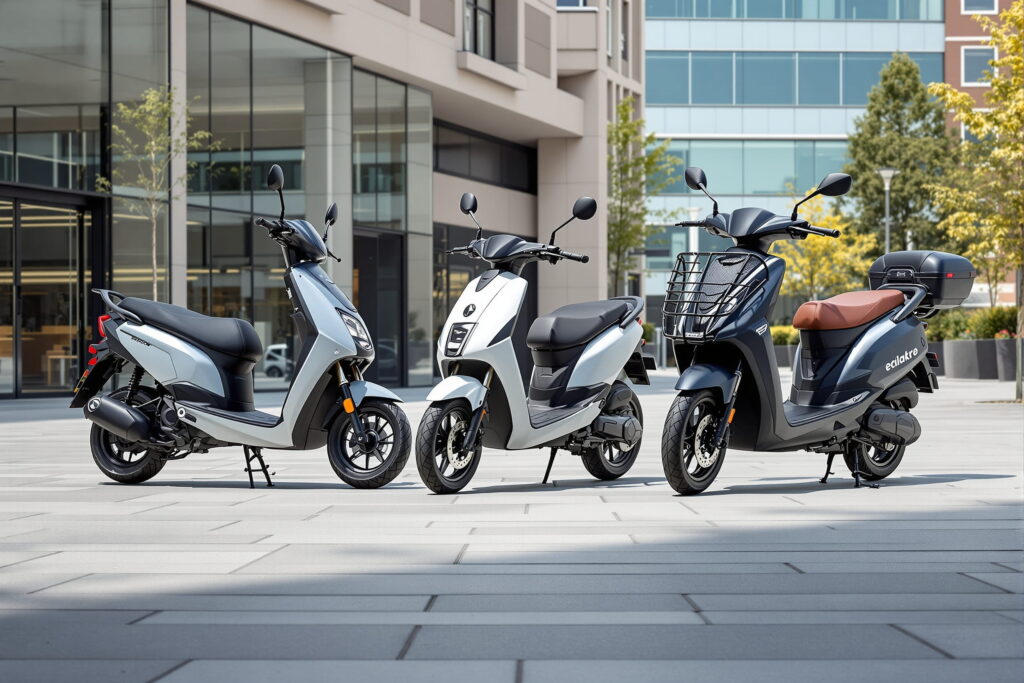
Opt for a high-performance two-wheeler if your priority is superior build quality and advanced features. Premium models typically offer enhanced battery life, superior torque, and smarter technology integrations, making them more suitable for daily commuting or longer rides.
If your budget is a key consideration and you seek a reliable mode of transportation without frills, an entry-level electric motorcycle provides excellent value. These models present efficient properties and a straightforward design, suitable for urban environments and casual rides.
When evaluating your options, assess your riding habits, terrain types, and maintenance expectations. High-end electric bikes usually demand a more significant upfront investment but justify this through durability and longevity. Conversely, basic electric motorcycles are a practical choice for newcomers wanting to explore the e-vehicle landscape without large financial commitments.
Premium E-Bike or Entry E-Motorcycle: Which to Choose?
For riders prioritizing performance, a higher-end bicycle offers superior engineering and advanced features like a powerful battery, quality suspension, and enhanced control. These models typically deliver longer ranges and more robust speed capabilities, making them ideal for enthusiasts who seek thrilling rides on varied terrains.
Conversely, a basic electric motorcycle suits those who want a budget-friendly option for commuting. With reduced weight and simpler mechanics, these bikes are easier to handle and maintain. If your main focus is transportation around the city without the need for advanced specifications, opting for a more economical choice can be pragmatic and practical.
Cost Analysis: Premium E-Bike vs Entry E-Motorcycle
Investing in a high-end electric bicycle typically requires an upfront cost of $3,000 to $6,000. This format usually includes advanced features such as superior battery capacity, lightweight materials, and top-tier components that improve performance and longevity.
On the other hand, a basic electric motorcycle generally falls in the range of $7,000 to $12,000. While this price point includes a higher top speed and a more robust motor, it often sacrifices certain conveniences such as regenerative braking or customizable features found in pricier two-wheelers.
- Maintenance costs for electric bicycles are significantly lower, averaging around $100 per year. This includes basic tune-ups and tire replacements.
- Conversely, entry-level motorcycles may incur maintenance charges of $200 to $500 annually, depending on service frequency and specific repairs needed.
- Insurance for bicycles remains more affordable, typically costing $50 to $200 annually, while motorcycle insurance can escalate to $500 a year, influenced by factors like rider experience and coverage levels.
Charging expenses also differ. E-bikes can be charged for approximately $0.20 per full cycle, while electric motorcycles might rise to $0.80. Over time, these variances can accumulate, impacting total ownership costs.
Ultimately, the choice between a premium bicycle and a basic motorcycle hinges on personal priorities. If budget allows, advanced technology and performance from higher-priced models can offer long-term benefits, while entry models serve as a more economical solution for those prioritizing initial affordability.