
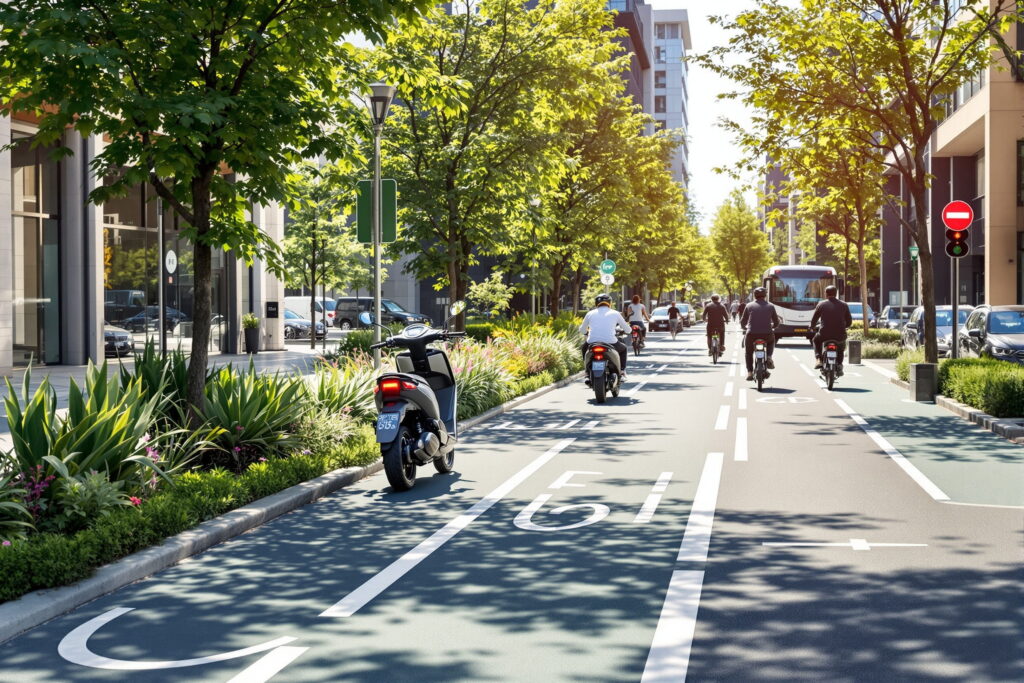
A strategic investment in connected pathways is paramount for improving bicycle accessibility throughout the region. Prioritizing the expansion of dedicated lanes and multi-use trails will not only encourage safe riding but also promote healthier commuting options for residents.
Assessing current pathways reveals several gaps that impede safe travel for cyclists. Conducting a thorough analysis of high-traffic and conflict-prone areas will help identify critical zones where immediate enhancements are necessary. Community surveys could also guide decision-making, ensuring that local preferences are aligned with planning efforts.
Collaboration between governmental bodies and stakeholders is essential for resource allocation and execution of projects. Establishing partnerships with local businesses can create sponsorship opportunities, while outreach initiatives will build support for active transportation solutions. Investing in better lighting, signage, and rest areas will increase the usability of routes, making bike travel a practical option for all residents.
Identifying Key Areas for Cycling Path Expansion
Expanding paths in the southern region, particularly around Columbia, presents a prime opportunity. This area showcases a dense population with an increasing interest in alternative transportation. Investing in dedicated lanes connecting residential areas to major commercial zones is a strategic move to promote cycling as a daily mode of travel.
Additionally, enhancing routes near local parks such as Centennial Park and Wilde Lake is essential. These locations are heavily frequented by families and recreational cyclists. Proposed improvements could include signage, improved surfaces, and better connectivity to nearby neighborhoods. Feedback from cyclists who use these routes should be solicited to tailor enhancements to their needs.
- Prioritize connections between major developments, such as shopping centers and schools.
- Evaluate current travel patterns through data collection and community surveys.
- Incorporate safety features like dedicated signals and crosswalks in high-traffic areas.
Finally, the area near Ellicott City requires attention. With historical sites drawing visitors, the potential for increased cycling tourism exists. Enhancing accessibility through well-planned paths will not only benefit local residents but will also attract cyclists from surrounding regions. Incorporating local art and cultural elements along these routes can create a unique experience for riders.
Integrating Cycling Safety Measures in Urban Planning
Implement dedicated bike lanes throughout urban areas to separate cyclists from motor vehicles. Implementing protected lanes with physical barriers will significantly enhance safety and encourage more residents to adopt this mode of transport.
Adopt traffic-calming measures, such as speed bumps and roundabouts, to reduce vehicle speeds in residential neighborhoods. Reducing speed limits in areas with heavy foot and bike traffic helps create a safer environment for all road users.
Engage local communities in planning processes. By gathering input from residents and cyclists, authorities can better understand the specific needs and concerns of those using bicycles in different neighborhoods.
Create comprehensive wayfinding systems that include clear signage for cyclists. Updating maps to include bike lanes and safe routes can help direct users efficiently while reducing confusion and potential accidents.
| Measure | Impact on Safety | Cost Estimate |
|---|---|---|
| Dedicated Bike Lanes | Reduces accidents by 50% | $200,000 per mile |
| Traffic-Calming Devices | Lessens speed-related injuries | $10,000 each |
| Community Engagement Programs | Increases cyclist confidence | $5,000 |
| Wayfinding Signage | Improves navigation and safety | $15,000 per area |
Utilize data analytics to monitor cyclist traffic patterns. By analyzing accident reports and usage statistics, county planners can identify high-risk areas that require additional attention or safety features.
Integrate educational programs for both cyclists and motorists. Offering safety workshops and information sessions can improve mutual awareness on the road and help reduce misunderstandings that lead to accidents.
Collaborate with local law enforcement to ensure that traffic regulations are enforced consistently. Strict enforcement can deter aggressive driving behaviors that pose a danger to cyclists, creating a more secure environment for everyone using the roads.